
Date: Tuesdays, Sept 22 (90 min), Oct 6, 20, & Nov 3 (120 min), 1 PM ET
Cost: FREE
All registrants will be provided with a link to the recording and the slides to the masterclass (Session 1). The recording will be available for 60 days. Sessions 2-4 (workshops) are not recorded.

Environmental organizations are navigating increasing complexity from climate change and biodiversity loss to changing communities, evolving workforces, Truth and Reconciliation, and growing expectations for collaboration and accountability. Building organizations that can thrive in this environment requires more than good intentions. It requires practical tools, strong leadership, inclusive governance, and the ability to engage meaningfully with the diverse communities we serve.
This fall, Vision2030 invites members to join two new Learning Series designed to help move them from JEDI awareness to action.
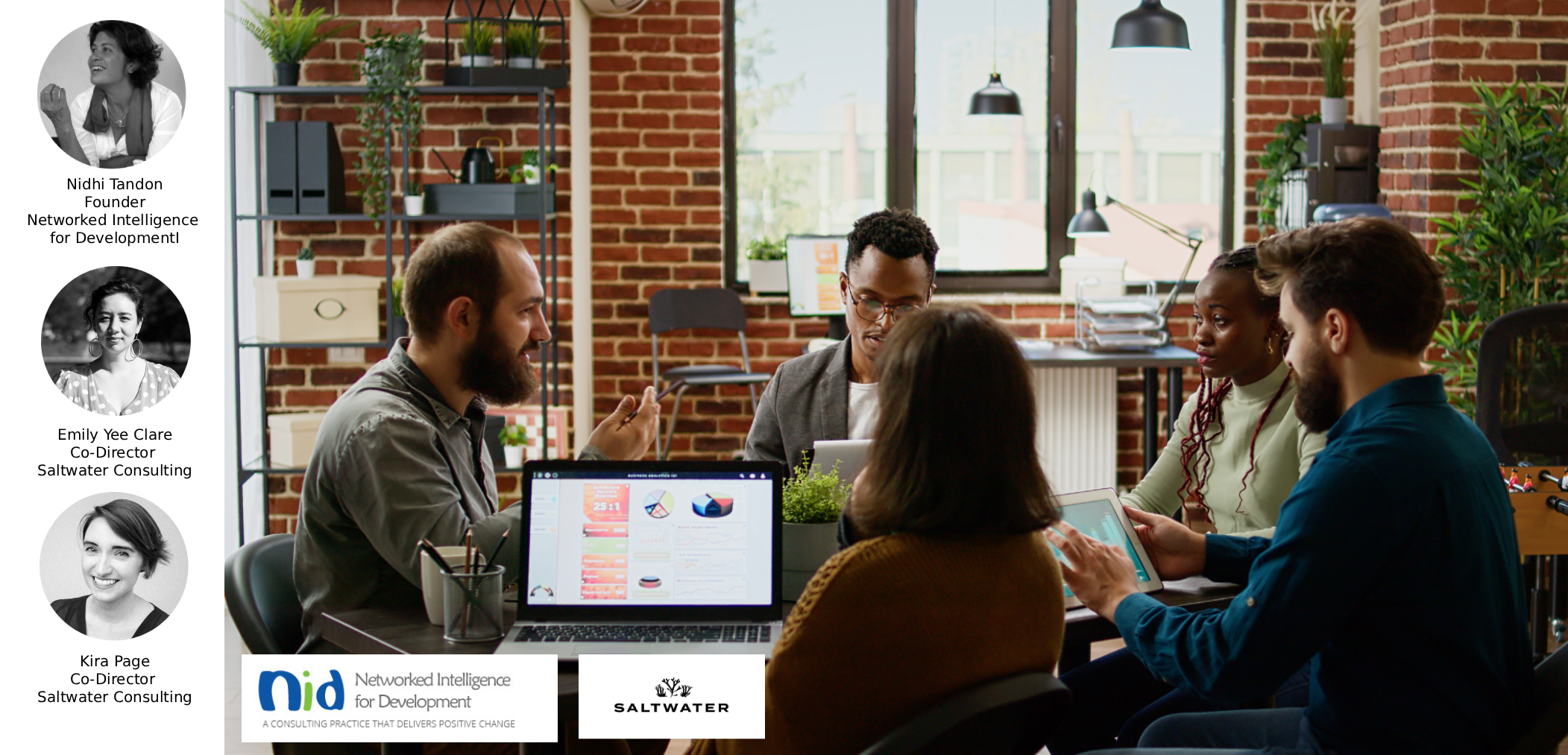
Developed collaboratively by Sustainability Network, Saltwater Consulting, and Networked Intelligence for Development, this learning series is intended for Board members, Executive directors, managers, HR professionals and staff who want to strengthen organizational culture, inclusive leadership, and equitable impacts over the long term. Each learning series combines expert instruction with practical application, enabling participants to immediately apply what they learn within their own organizations.
Why Participate?
Participants will:
- Gain practical tools that can be applied immediately within their organizations.
- Learn alongside peers facing similar organizational challenges and opportunities.
- Explore approaches that strengthen equitable governance models, leadership, and workplace culture.
- Build confidence in facilitating meaningful organizational change.
- Develop practical action plans tailored to their own organizational priorities.
- Connect equity, reconciliation, and organizational effectiveness toward progressive environmental outcomes and sustained community relationships.
These sessions are practical, collaborative, and action-oriented, with the aims of supporting organizations to move toward lasting organizational change that benefits staff, leadership, partners, and the communities they serve. Each learning series kicks off with a 90-minute introductory masterclass that explores key concepts and practical examples, followed by an interactive three-part learning lab where participants work through tailored approaches, and real organizational scenarios, opportunities and challenges alongside peers.
- Session 1: A 90-minute Masterclass introducing key concepts, current practices and emerging approaches in the NGO sector.
- Sessions 2–4: Three highly interactive 120-minute learning labs where participants work through scenarios, practical tools, templates and organizational learning alongside peers.
Masterclass:
- Creating Equity Working Groups that Strengthen Organizations on Tuesday, September 22, 1-2:30 PM ET
Workshops:
- Building Strong Foundations on Tuesday, October 6, 1-3 PM ET
- From Conversation to Influence on Tuesday, October 20, 1-3 PM ET
- Moving to Action and Embedding Change on Tuesday, November 3rd, 1-3 PM ET
How do you move beyond one-off conversations to build progressive organizational change?
This series explores how to establish and sustain effective equity working groups that become trusted spaces for collaboration, learning, and organizational leadership. Whether your organization is just beginning or looking to strengthen an existing committee or working group, this series will provide practical guidance, tools, and examples that can be adapted to your own context, priorities and action plans.
Beginning with the masterclass, a series of three learning labs will follow. In that series, participants will be guided through the elements of structuring, resourcing, and maintaining an impactful equity committee. We will troubleshoot common issues and work with real scenarios from participants that they are facing in their organizations.
These learning labs are open to all members of the Sustainability Network. These will dig down into strategies, examples and working through challenges of organizations committed to advancing JEDI values in their work. They are especially relevant for people who are contributing to or supporting equity committees or equity working groups in their organizations.
Discover why many working groups struggle to gain traction and what successful organizations do differently. This session explores how equity working groups contribute to improved governance models, healthier workplace cultures, inclusive staff engagement and organizational resilience - and the progressive implications for community building and engagement. The perspective is both inward and outward looking.
Participants will gain:
- An understanding of the role of equity working groups
- Examples from organizations across the nonprofit sector
- A framework for creating meaningful organizational impact
A workshop on establishing the foundations of an effective equity working group or inclusion committee.
Topics include:
- Clarifying the purpose and scope of your committee
- Membership and representation on the committee: who should be there, who shouldn’t, and why
- Executive sponsorship and ensuring leadership buy-in
- Roles and responsibilities of individual committee members
- Draft Terms of Reference they can adapt for their context
- Membership framework for deciding on membership and representation
- Roles and responsibilities matrices to apply to their own committees
Methodology: Facilitated discussion, practical tools, scenario-based exercises, peer learning and action planning.
Explore how working groups can strengthen their collaboration and build credibility in their organizations.
Topics include:
- Building trust and accountability
- Facilitating productive dialogue across differing perspectives, experiences and roles
- Navigating difficult conversations
- Engaging stakeholders in action planning and recommendations
- Working effectively with leadership and contributing to organizational decision making
- Stakeholder mapping & engagement strategies
- Meeting facilitation tools
- Examples of collaboration norms in the NGO sector
Methodology: Facilitated discussion, practical tools, scenario-based exercises, peer learning and action planning.
Sustainable organizational change requires more than making good recommendations. Recommendations from equity working groups often stall or get stuck, or struggle to become sustainable. Organizations also need practical ways to assess progress, identify gaps, and understand what deeper institutional change looks like over time.
Topics include:
- Identifying impediments to change and prioritizing recommendations appropriately
- Defining meaningful indicators of progress
- Handling organizational resistance and push back
- Planning for sustainability of equity efforts
- Communicating results to leadership, board, and the wider community
Participants leave with:
- Change management strategies and adaptations
- A self-assessment and scoring template
- A framework for annual review and reporting
Methodology: Facilitated discussion, practical tools, scenario-based exercises, peer learning and action planning.
Later this fall, we’ll be running Learning Series 2. Registration will open in mid-October and below is a sneak peek of what you can expect.
Masterclass:
- Equity Assessments and Audits on Tuesday, November 10, 1:00-2:30 EST
Workshops:
- Moving Beyond the Audit on Tuesday, November 24, 1:00-3:00 EST
- Prioritizing Action on Tuesday, December 8, 1:00-3:00 EST
- Measuring Progress and Embedding Change on Tuesday, December 15, 1:00-3:00 EST
This series supports organizations in moving beyond checklists towards a practice of meaningful organizational learning and continuous improvement and reflection. Participants will explore practical approaches to conducting organizational equity audits; examining policies, governance, workplace culture, communications, recruitment, leadership, and organizational systems. Importantly, they will learn how to translate findings into realistic, measurable, and achievable action plans.
Together, participants will explore how to centre marginalized voices, troubleshoot real-world scenarios and build both the technical and adaptive skills needed to turn these reflections into realistic and high impact action. Ultimately, equity can strengthen organizational resilience, improve decision-making, build trust with staff and communities, and help organizations better achieve their environmental missions.
Across both learning series, participants will have opportunities to learn alongside peers from environmental organizations across Canada, share experiences, test practical tools and develop resources that can be immediately adapted within their own organizations.
The workshop materials build on approaches developed for the Canadian nonprofit sector and adapted for the unique opportunities and challenges facing environmental organizations today.

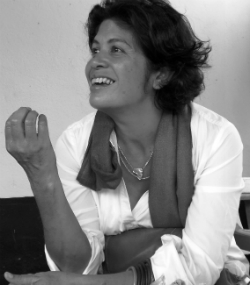
Nidhi Tandon is founder and Executive Director of Networked Intelligence for Development (NID). Nidhi is a gender and rural development specialist with 25+ years field experience. Her practice draws from a cross-section of conducting needs surveys and analyses, designing and facilitating capacity development programs.Nidhi is a diversity consultant and has sat on the Boards of OXFAM Canada, Ontario Nature, Sustainability Network and MSF.
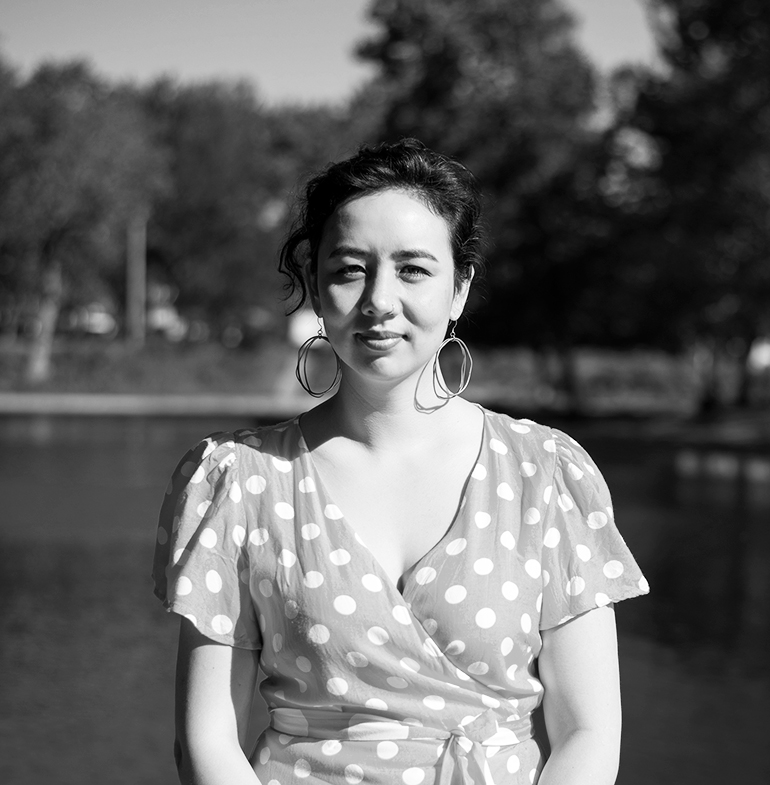
Emily Yee Clare is a Co-Director of Saltwater Consulting. (She/them) is a mixed-race (Hong Konger/White) facilitator working with team dynamics, anti-oppressive change management, conflict engagement & curriculum design. They are passionate about co-creating interactive processes to enable authentic and courageous workplaces & organizing spaces. Emily worked as an Equity Facilitator at UBC and is a faculty member at Concordia’s department of Applied Human Sciences, focusing on social justice and equity related change in organizations.

Kira Page is a Co-Director of Saltwater Consulting. She helps groups move through learning and change and supports nonprofits organizations on strategic planning, organizational structure, conflict resolution, and anti-oppression. She worked as a consultant and communications director for the Centre for Community Organizations (COCo) from 2013-2021 and with the MAAMUU Consulting Group from 2020-2023. She is trained as a mediator, has completed the Leadership Rassembleur training program.
The DEFNP workshop series will offer tailored programming designed to match ENGOs on their decolonial (un)learning journeys. In Spring 2026 members of the ENGO sector will be able to choose one of three workshop tracks: Introduction to Decolonization in the ENGO Sector, Advanced Decolonial Theory and Application or For Indigenous Ears Only - A Space for Reflection and Action. Each series consists of four three-hour sessions.
Collectively, Decolonizing ENGO-First Nation Partnerships fosters:
Awareness of settler colonialism and the ways it potentially harnesses civil society;
Understanding about how Canadian law such as the Indian Act and the Income Tax Act has suppressed Indigenous governance systems;
Awareness that Indigenous peoples have unique inherent political and legal systems, with which ENGOs may want to form partnerships;
A better understanding about how to navigate partnerships with Indigenous communities that promote decolonial environmentalism;
A stronger sense about how to identify and explain individual and organization social locations (i.e. positionalities) as part of ethical partnership development;
Promoting the resurgence of Indigenous self-determination in the Canadian ENGO sector.
Cost: $100 (Register 2 spots, get the 3rd free)
70 participants max.
All registrants will be provided with a link to access the recordings and presentation slides for 60 days following each session.
Session 1: Settler Colonialism 101
Introduce ENGO representatives to the fact that colonization is a structure and not an event. Identifies key ways that colonialism moves through individuals and organizations.
Session 2: Positionality
ENGO representatives learn how to articulate their social location within a settler colonial state, and in relation to potential Indigenous partners.
Session 3: Inherent Indigenous Governance 101
Introduce the fact that Indigenous nations have their own sources of political authority that they can (and do) draw on when addressing environmental issues. Examples provided.
Session 4: Building Better Relations
ENGO representatives will road test ways they can implement previous workshop key points to re-imagine partnerships with Indigenous nations.
Cost: $100 (Register 2 spots, get the 3rd free)
All registrants will be provided with a link to access the recordings and presentation slides for 60 days following each session.
Session 1: Diagnosing Settler Colonialism in the Enviro Sector
Participants will be asked to share ways in which they have diagnosed and traced power in social justice movements and/or in the ENGO sector. This workshop will make space for discomfort as part of promoting decolonization.
Session 2: Inherent Indigenous Governance
A mix of advanced and introductory theory, this workshop delves into legal and political pluralism, naming the fact that Indigenous nations have their own sources of political authority that they can (and do) draw on when addressing environmental issues.
Session 3: The Nonprofit Industrial Complex
ENGO participants are introduced to theories and examples describing the Nonprofit Industrial Complex and the “Shadow State.” Purpose is to show how settler colonialism structures civil society.
Session 4: Decolonizing ENGO-First Nation Partnerships
This workshop delves deep into how ENGOs can partner with Indigenous nations beyond the Nonprofit Industrial Complex while promoting deference to inherent Indigenous political leaders.

Cost: Free
The Indigenous only space will be collaborative in nature but critical in approach. This track is a space for Indigenous folks within the ENGO sector to come together to discuss their experiences and work, with an eye to taking a position on what the sector might need to do in order to promote decolonization. Participants will use the first session to define our goals for the remaining three meetings. Therefore, session topics named here are proposals only.
Session 1: Naming the Cannibal: Settler Colonialism in the ENGO Sector
Session 2: Proposed topic: Reflections on working in the ENGO Sector
Session 3: Proposed topic: Centering Indigenous Thought in the ENGO Sector
Session 4: Proposed topic: Visioning a Decolonial Environmental Sector
.png)
© 2026 Sustainability Network


