Decolonizing ENGO-First Nation Partnerships
Decolonizing ENGO-First Nation Partnerships will build ENGO staff awareness and literacy about the structure of settler colonialism to avoid reproducing it in partnerships with Indigenous communities. Dr. Damien Lee of Gimiwan Research and Consulting is program director and every spring and fall the virtual courses are led by Dr. Les Sabiston, Dr. Philippe Blouin and Jocelyn Cheechoo.
Introduction To Decolonization In the ENGO Sector: Settler Colonialism 101, Positionality, Inherent Indigenous Governance 101 & Building Better Relations.
Advanced Decolonial Theory and Application: Diagnosing Settler Colonialism in the Enviro Sector, Inherent Indigenous Governance, The Nonprofit Industrial Complex & Decolonizing ENGO-First Nation Partnerships.
For Indigenous Ears Only - A Space For Reflection and Action: Naming the Cannibal: Settler Colonialism in the ENGO Sector, Reflections on working in the ENGO Sector, Centering Indigenous Thought in the ENGO Sector, Visioning a Decolonial Environmental Sector.
Decolonizing ENGO-First Nations Partnerships Alumni - Fall Gathering: The Gathering was led by Damien and Les, and 19 DEFNP ENGO alumni attended October 15-17, 2025 at the School of Indigenous Learning (SOIL) in Anishinaabe Aki, Thunder Bay, Ontario.
In November 2025 we launched three DEFNP case studies that were the result of an environmental scan of ENGO decolonization lessons learned and interviews with representatives/staff members of Canadian ENGOs.

Dr. Damien Lee is President of Gimiwan Consulting and Research and a member of Fort William First Nation and holds a PhD in Indigenous Studies from the University of Manitoba, and a Master of Arts in Indigenous Governance from the University of Victoria. Dr. Lee has extensive experience facilitating/teaching adult-focused education at the post-secondary level. Gimiwan serves mainly Indigenous communities and Indigenous-led organizations by providing research and workshop services based in decolonial ethics and Indigenous worldviews.

Dr. Les Sabiston (Red River Métis) is a Senior Associate at Gimiwan Consulting and Research who lives in Aswahonanihk (Selkirk), Manitoba. Working at the intersections of political, legal, and medical anthropologies, as well as Indigenous Studies, Les’ work brings together critical social theories of colonialism, race, class, gender and sexuality with the political commitments of decolonization and aspirations of realizing alternative worlds informed by Indigenous futures. A guiding principle to his work has been to develop a more robust understanding of the ongoing process of encounter with Indigenous peoples in Canada, that is, how the state and its people interact with and understand themselves in relation to the original peoples of this land.
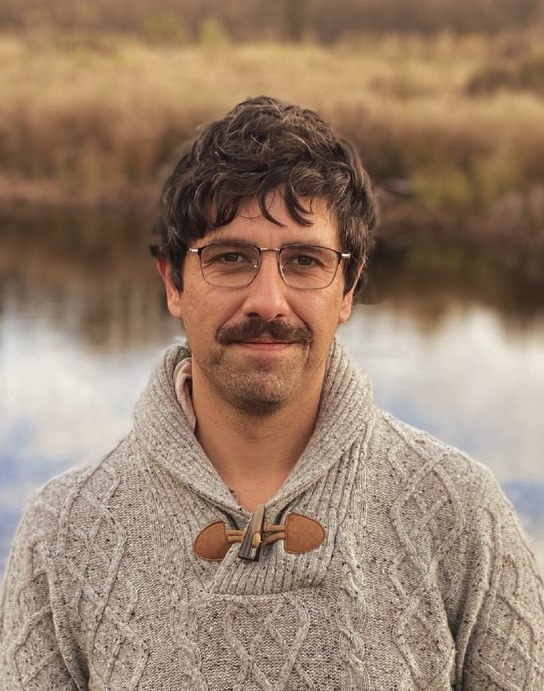
Philippe Blouin is an anthropologist and translator. His PhD, completed at McGill University in November 2025, studies how Kanien'kéha:ka (Mohawk) political philosophy challenges Western views of relating, and belonging. In particular, his work focuses on the Two Row Wampum, whose conception of alliance based on the respect of difference provides an ethical and methodological framework for settler-Indigenous relationships.
.png)
Jocelyn Cheechoo is a member of Moose Cree First Nation and is the Senior Specialist for Hudson and James Bay Lowlands for WWF Canada. She has extensive experience working with and for First Nation communities on their territories on issues and projects related to climate change, waste management, research, land use planning and energy. Jocelyn practices cultural harvesting with her family and is also reclaiming and learning the language her grandparents spoke, Cree L-dialect.
Vision2030 offerings will be posted HERE. To receive email announcements, SIGN-UP here. ENGO Ethical Space Collective
For almost 2.5 years conservation NGOs have been exploring the relevance and value of Indigenous-led area-based conservation through this land-based learning. This peer support network and community of practice helps environmental non-profit organization leaders understand ethical space and the systems change required for reconciliation within, among, and beyond ENGOs. They learn about ethical space and contribute to deep systems change in the sector.
The collaboration is co-facilitated by Chloe Grandjambe (Dragon Smith) and Don Carruthers Den Hoed who developed a curriculum that combines one-on-ones, an e-residency, virtual workshops and a land-based gathering.
This work was piloted (fall 2023 - summer 2025) by staff teams from World Wildlife Fund Canada, Nature Conservancy of Canada, Canadian Parks and Wilderness Society, Ducks Unlimited, and Nature United/The Nature Conservancy.
In late fall 2025 a new cohort was formed, composed of staff from Nature United, Ducks Unlimited, Nature Conservancy of Canada, Jane Goodall Institute of Canada and the Edmonton and Area Land Trust. There is another federal and provincial government cohort that runs in tandem with this and crossover sessions are planned so ENGOs can engage with their government colleagues.

Chloe Grandjambe (Dragon Smith)
was born and raised in Yellowknife, NWT. Of Dënesųłiné, French, and German heritage, she grew up close to her Indigenous cultural values and learned traditional skills for living on the land. While she has western education credentials, she has learned most of what she knows from her family and the Land. As a mixed-blood person, Chloe feels a constant responsibility to bridge barriers and help create balance however she can. She co-founded an outdoor learning initiative called Bushkids, located in Yellowknife. Beb(a)ski is a collaboration project between Robert Grandjambe and Chloe Dragon Smith, a young Indigenous family, living with the Land and sharing what they learn.

Don Carruthers Den Hoed is a Research Associate at the University of British Columbia where he leads the Canadian Parks Collective for Innovation and Leadership (CPCIL). Don has 26 years of experience in parks interpretation and education, public engagement, and land management. He is a Senior Researcher with the Conservation Through Reconciliation Partnership and a Network Investigator with the Canadian Mountain Network. He holds an MA in Education from University of Calgary, a PhD from University of Calgary in Interdisciplinary Studies and just completed a Postdoctoral Fellowship in Environmental Sustainability at Mount Royal University.
Special Projects
Relational Accountability in Partnerships Program (RAP): This partnership between the Sustainability Network, Cambium Indigenous Professional Services, and Anemochory Consulting gives ENGO staff the opportunity to be on a learning journey with one another to take a step back and explore how and why taking accountability in relationships is central to building community partnerships, in a good way. Multi-day gatherings in First Nations communities in June 2025 and June 2026 are linked by a handful of online meetings in between.
RAP is led by Anna-Liza and Kerry-Ann, taking place from Summer 2025 to Spring 2026.
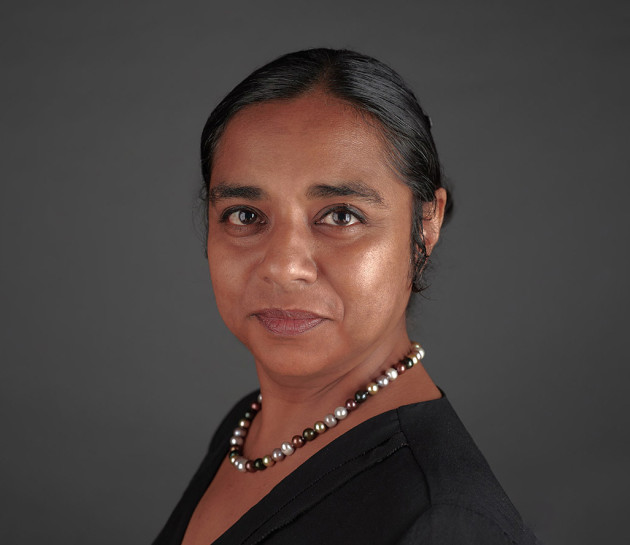
Anna-Liza Badaloo
(she/her) of Anemochory Consulting is a facilitator, un-learner, and inclusive communicator. Viewing JEDI (Justice, Equity, Diversity, and Inclusion) through the lens of empathy, her decolonized, intersectional approach helps organizations build capacity by implementing communities of practice, trainings, and empathy-driven frameworks designed to foster organizational justice. By centering equity-deserving communities, she helps organizations understand how colonial structures impact organizational health.
Kerry-Ann Charles (Ne’ikaanigaana) is a member of the Chippewas of Georgina Island First Nation and is the Co-ordinator of Lands and Climate Change for Cambium Aboriginal. Kerry Ann was proud to serve her Community for over 17 years including a term as Councillor.


