
Dates: June 2, 9, 16, 23 and 30, 1-2:30 PM ET
Cost: $150 per participant (Zoom Meeting)
100 participants max
*Please note, all registrants will be provided with a link to the recording and presentation slides following the sessions. The recording will be available for 60 days.
Research has found that 90% of nonprofits are using AI. But, how does that impactfundraising practices and fundraising results? As we enter a world of virtual advancement officers and AI-enhanced fundraising, how do we ensure our work remains ethical, efficient, and effective?
In this five-session series, we will focus on the foundations of effective fundraising in the age of AI. We will explore fundraising ethics, fundamental principles, common methodologies, and how to improve your fundraising results.
In addition to five 90-minute interactive webinars, you will receive five resource manuals containing checklists, templates, and step-by-step guides.
Learning outcomes:
By the end of this seminar series, participants will understand:
1. How AI impacts all areas of fundraising
2. Fundraising ethics and fundamental principles
3. How to effectively solicit individuals for major gifts
4. How to use direct marketing techniques to grow a strong base of support
5. How to structure a fundraising program that maximizes return on investment
Session 1 : Foundational Fundraising Concepts in the Age of AI
This session is about learning the foundations of effective fundraising practice. We will explore fundraising ethics and foundational principles, laying the groundwork for future sessions. You will learn how to measure and report fundraising results. We will discuss how to ethically use AI to increase fundraising performance and efficiency.
You will explore case studies and real-world examples that introduce the essential concepts that drive effective fundraising. You will receive a 90-minute interactive webinar and a resource manual containing checklists, templates, and step-by-step guides.
Session 2: Major Gift Fundraising in the Age of AI
This session explores the essential practices of effective major gift fundraising. You will learn how to identify, cultivate, solicit, and steward major gift prospects. We will examine how to use AI to improve your major gift program to achieve outstanding results.
You will explore case studies and real-world examples that introduce the essential concepts that drive major gift fundraising. You will receive a 90-minute interactive webinar and a resource manual containing checklists, templates, and step-by-step guides.
Session 3: Direct Response Fundraising in the Age of AI
This session will introduce the essential practices of effective direct response fundraising. You will learn about the most common forms of direct response fundraising, including direct mail, email, and telemarketing. You will learn how to identify, cultivate, solicit, and steward direct response prospects. You will learn how to write effective appeal and stewardship letters. We will explore how AI can drive your direct response program to achieve outstanding results.
You will explore case studies and real-world examples that introduce the essential concepts that drive direct response fundraising. You will receive a 90-minute interactive webinar and a resource manual containing checklists, templates, and step-by-step guides.
Session 4: Diversifying Your Fundraising Program in the Age of AI
This session rounds out your portfolio of fundraising tools. We will discuss other common fundraising methods, including grant writing, special events, crowdfunding, and social media. We will also look at how to use AI to improve fundraising results and efficiency.
You will explore case studies and real-world examples. You will receive a 90-minuteinteractive webinar and a resource manual containing checklists, templates, and step-by-step guides.
Session 5: Fundraising Planning in the Age of AI
This session shifts the focus from fundraising techniques to the essentials of fundraising planning. You will learn how to measure and report fundraising results. You will learn how to identify the unique fundraising needs of your organization. You will learn how to combine fundraising techniques into effective fundraising programs that grow revenue, awareness, and participation. You will learn how to craft fundraising plans that your board will enthusiastically approve and support. Finally, we will explore how to use AI to help create fundraising plans effectively and efficiently.
You will explore case studies and real-world examples. You will receive a 90-minuteinteractive webinar and a resource manual containing checklists, templates, and step-by-step guides.

Our Presenter
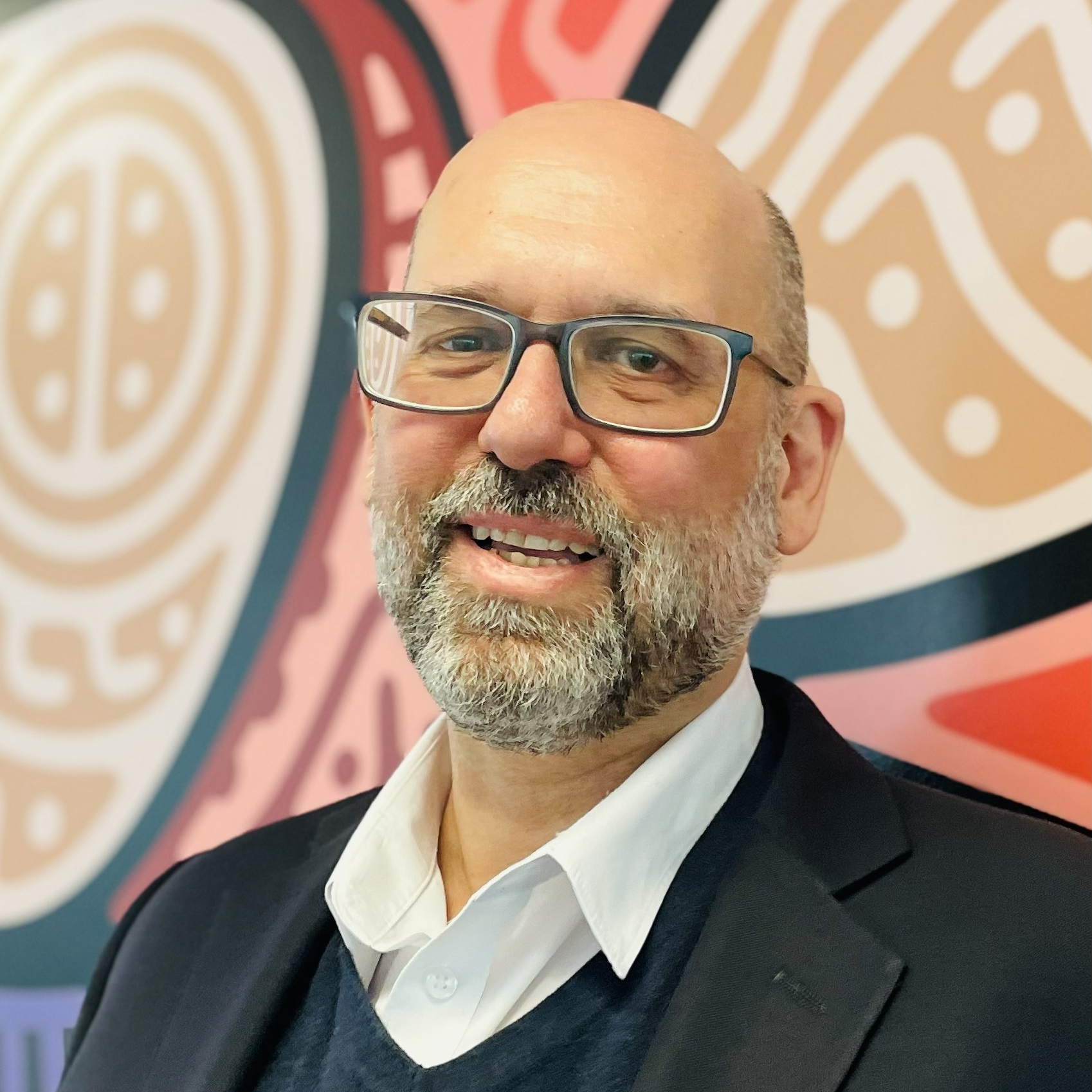
Having worked in the arts, health, social service, and education sectors, Mikhael Bornstein has more than twenty years of experience as a professional fundraiser and nonprofit leader. Mikhael is an AFP Master Trainer and a frequent speaker at conferences across North America. He teaches at George Brown College, Fleming College Toronto, and Toronto Metropolitan University. Mikhael has a Master in Arts in Leadership Studies from Royal Roads University.
To learn more about Mikhael and his work, please visit his website www.thephilanthropicleader.com.
The DEFNP workshop series will offer tailored programming designed to match ENGOs on their decolonial (un)learning journeys. In Spring 2026 members of the ENGO sector will be able to choose one of three workshop tracks: Introduction to Decolonization in the ENGO Sector, Advanced Decolonial Theory and Application or For Indigenous Ears Only - A Space for Reflection and Action. Each series consists of four three-hour sessions.
Collectively, Decolonizing ENGO-First Nation Partnerships fosters:
Awareness of settler colonialism and the ways it potentially harnesses civil society;
Understanding about how Canadian law such as the Indian Act and the Income Tax Act has suppressed Indigenous governance systems;
Awareness that Indigenous peoples have unique inherent political and legal systems, with which ENGOs may want to form partnerships;
A better understanding about how to navigate partnerships with Indigenous communities that promote decolonial environmentalism;
A stronger sense about how to identify and explain individual and organization social locations (i.e. positionalities) as part of ethical partnership development;
Promoting the resurgence of Indigenous self-determination in the Canadian ENGO sector.
Cost: $100 (Register 2 spots, get the 3rd free)
70 participants max.
All registrants will be provided with a link to access the recordings and presentation slides for 60 days following each session.
Session 1: Settler Colonialism 101
Introduce ENGO representatives to the fact that colonization is a structure and not an event. Identifies key ways that colonialism moves through individuals and organizations.
Session 2: Positionality
ENGO representatives learn how to articulate their social location within a settler colonial state, and in relation to potential Indigenous partners.
Session 3: Inherent Indigenous Governance 101
Introduce the fact that Indigenous nations have their own sources of political authority that they can (and do) draw on when addressing environmental issues. Examples provided.
Session 4: Building Better Relations
ENGO representatives will road test ways they can implement previous workshop key points to re-imagine partnerships with Indigenous nations.
Cost: $100 (Register 2 spots, get the 3rd free)
All registrants will be provided with a link to access the recordings and presentation slides for 60 days following each session.
Session 1: Diagnosing Settler Colonialism in the Enviro Sector
Participants will be asked to share ways in which they have diagnosed and traced power in social justice movements and/or in the ENGO sector. This workshop will make space for discomfort as part of promoting decolonization.
Session 2: Inherent Indigenous Governance
A mix of advanced and introductory theory, this workshop delves into legal and political pluralism, naming the fact that Indigenous nations have their own sources of political authority that they can (and do) draw on when addressing environmental issues.
Session 3: The Nonprofit Industrial Complex
ENGO participants are introduced to theories and examples describing the Nonprofit Industrial Complex and the “Shadow State.” Purpose is to show how settler colonialism structures civil society.
Session 4: Decolonizing ENGO-First Nation Partnerships
This workshop delves deep into how ENGOs can partner with Indigenous nations beyond the Nonprofit Industrial Complex while promoting deference to inherent Indigenous political leaders.

Cost: Free
The Indigenous only space will be collaborative in nature but critical in approach. This track is a space for Indigenous folks within the ENGO sector to come together to discuss their experiences and work, with an eye to taking a position on what the sector might need to do in order to promote decolonization. Participants will use the first session to define our goals for the remaining three meetings. Therefore, session topics named here are proposals only.
Session 1: Naming the Cannibal: Settler Colonialism in the ENGO Sector
Session 2: Proposed topic: Reflections on working in the ENGO Sector
Session 3: Proposed topic: Centering Indigenous Thought in the ENGO Sector
Session 4: Proposed topic: Visioning a Decolonial Environmental Sector
.png)
© 2025 Sustainability Network


