
banner%20(3)-p-1080.png)
Dates: April 1, 8, 15, 20, 29 & May 6, 1-3 PM ET
Cost: $100 (Zoom Meeting, camera and audio enabled)
Maximum Participants - 25

The JEDI Foundations Lab is designed for organizations who are ready to explore strategies specific to policies, processes, and culture, and discuss how to use inclusion principles to bring a transformative lens to their organizations. Consider this program an introduction to the challenges faced by equity-deserving communities such as BIPOC, people with disabilities, neurodivergent people, and 2SLGBTQIA+. All participants automatically become part of our JEDI Community of Practice, designed to keep up the learning momentum and deepen peer networks.
Who Is This Course For? Leaders of environmental (and aligned) non-profits, such as people who work in HR, Operations, People and Culture Managers, or Executive Directors of smaller organizations. Anyone whose job function relates to managing people and/or implementing equity work is the right fit for this program.
What is the Approach? This program is not a passive or lecture-style experience. In this brave, facilitated space, we will deeply explore our own privileges, fragilities, and biases through interactive exercises, guided reflections, and breakout group discussions. To highlight intersectional lived experiences, we will hear from ENGO sector panelists who belong to equity-deserving communities and co-create solutions to our real-life JEDI challenges.
What are the Attendance Expectations? We limit this program to 25 participants. Because of the interactive and intimate nature of this program, participants should be able to attend at least 4 out of 6 sessions and expect to have their cameras on for the majority of each session. The first session is mandatory, setting the tone for all remaining sessions. If you are looking for a program where you can catch the recordings instead of attending live, or drop-in to a couple sessions when you have time, this is not the program for you. It takes time to build relationships and foster psychological safety with each other. The more sessions you attend, the more benefits and relationships you will gain.
Session 1: Privileges, Guilts, & Fragilities
This initial, mandatory session is focussed on building trust and bravery in the group and getting to know each other. We will gently identify and come to terms with our own privileges across a range of dimensions and explore how privileges can lead to guilts and fragilities in the workplace and beyond.
Session 2: Psychological Safety, Colonization, & Intersectionality
Colonization has created a world in which some groups experience more safety than others. This has significant impacts on workplace inclusion yet discussing past and current colonial impacts can be uncomfortable. We will take a deep dive into psychological safety, discuss why it is essential to organizational inclusion initiatives, and explore how intersectionality and colonization factors in.
Session 3: BIPOC Inclusion Strategies
Sessions 3, 4, and 5 will leverage our foundational learnings to explore inclusion strategies for different equity-deserving communities. Participants will submit their real-life JEDI challenges to gain support and co-create solutions. To bring an intersectional lens, each session will include a panel of diverse ENGO staff to share lived experiences and shed light on inclusion challenges. Session 3 explores how ENGOs can change their organizational culture, processes, and policies to improve BIPOC inclusion, including an all-BIPOC panel.
Session 4: Disability and Neurodivergence Inclusion Strategies
Our second inclusion strategy session focuses on people with disabilities and neurodivergent people. Participants will submit their real-life JEDI challenges to gain support and co-create solutions. Session 4 explores how ENGOs can change their organizational culture, processes, and policies to improve inclusion, including a panel of people with disabilities and neurodivergent people to share lived experiences and shed light on inclusion challenges.
Session 5: 2SLGBTQIA+ Inclusion Strategies
Our third inclusion strategy session focuses on people from the 2SLGBTQIA+ community. Participants will submit their real-life JEDI challenges to gain support and co-create solutions. Session 5 explores how ENGOs can change their organizational culture, processes, and policies to improve inclusion, including a panel of 2SLGBTQIA+ people to share lived experiences and shed light on inclusion challenges.
Session 6: From Learning to Organizational Transformation
In the final session, we bring everything together with a solid work plan designed to set you up for success to take your learnings back to your organization and discuss how to drive transformative change via improved inclusion strategies and awareness.

.png)
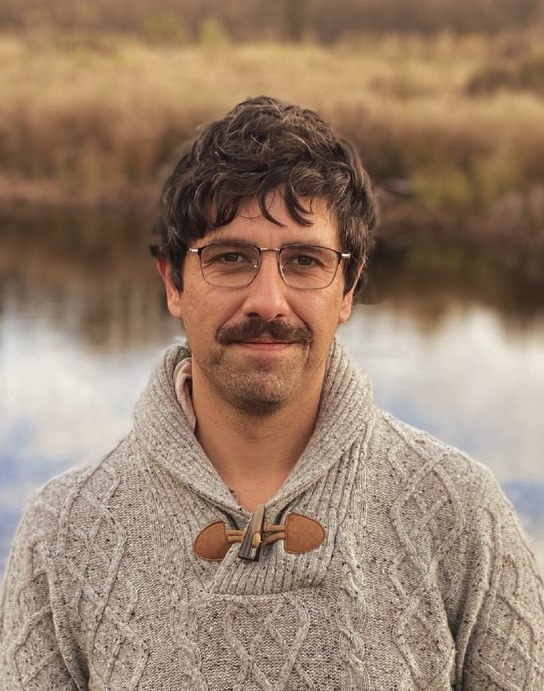
Anna-Liza Badaloo (she/her) of Anemochory Consulting is a facilitator, un-learner, and inclusive communicator. Viewing JEDI (Justice, Equity, Diversity, and Inclusion) through the lens of empathy, her decolonized, intersectional approach helps organizations build capacity by implementing communities of practice, trainings, and empathy-driven frameworks designed to foster organizational justice. By centering equity-deserving communities, she helps organizations understand how colonial structures impact organizational health.
The DEFNP workshop series will offer tailored programming designed to match ENGOs on their decolonial (un)learning journeys. In Spring 2026 members of the ENGO sector will be able to choose one of three workshop tracks: Introduction to Decolonization in the ENGO Sector, Advanced Decolonial Theory and Application or For Indigenous Ears Only - A Space for Reflection and Action. Each series consists of four three-hour sessions.
Collectively, Decolonizing ENGO-First Nation Partnerships fosters:
Awareness of settler colonialism and the ways it potentially harnesses civil society;
Understanding about how Canadian law such as the Indian Act and the Income Tax Act has suppressed Indigenous governance systems;
Awareness that Indigenous peoples have unique inherent political and legal systems, with which ENGOs may want to form partnerships;
A better understanding about how to navigate partnerships with Indigenous communities that promote decolonial environmentalism;
A stronger sense about how to identify and explain individual and organization social locations (i.e. positionalities) as part of ethical partnership development;
Promoting the resurgence of Indigenous self-determination in the Canadian ENGO sector.
Cost: $100 (Register 2 spots, get the 3rd free)
70 participants max.
All registrants will be provided with a link to access the recordings and presentation slides for 60 days following each session.
Session 1: Settler Colonialism 101
Introduce ENGO representatives to the fact that colonization is a structure and not an event. Identifies key ways that colonialism moves through individuals and organizations.
Session 2: Positionality
ENGO representatives learn how to articulate their social location within a settler colonial state, and in relation to potential Indigenous partners.
Session 3: Inherent Indigenous Governance 101
Introduce the fact that Indigenous nations have their own sources of political authority that they can (and do) draw on when addressing environmental issues. Examples provided.
Session 4: Building Better Relations
ENGO representatives will road test ways they can implement previous workshop key points to re-imagine partnerships with Indigenous nations.
Cost: $100 (Register 2 spots, get the 3rd free)
All registrants will be provided with a link to access the recordings and presentation slides for 60 days following each session.
Session 1: Diagnosing Settler Colonialism in the Enviro Sector
Participants will be asked to share ways in which they have diagnosed and traced power in social justice movements and/or in the ENGO sector. This workshop will make space for discomfort as part of promoting decolonization.
Session 2: Inherent Indigenous Governance
A mix of advanced and introductory theory, this workshop delves into legal and political pluralism, naming the fact that Indigenous nations have their own sources of political authority that they can (and do) draw on when addressing environmental issues.
Session 3: The Nonprofit Industrial Complex
ENGO participants are introduced to theories and examples describing the Nonprofit Industrial Complex and the “Shadow State.” Purpose is to show how settler colonialism structures civil society.
Session 4: Decolonizing ENGO-First Nation Partnerships
This workshop delves deep into how ENGOs can partner with Indigenous nations beyond the Nonprofit Industrial Complex while promoting deference to inherent Indigenous political leaders.

Cost: Free
The Indigenous only space will be collaborative in nature but critical in approach. This track is a space for Indigenous folks within the ENGO sector to come together to discuss their experiences and work, with an eye to taking a position on what the sector might need to do in order to promote decolonization. Participants will use the first session to define our goals for the remaining three meetings. Therefore, session topics named here are proposals only.
Session 1: Naming the Cannibal: Settler Colonialism in the ENGO Sector
Session 2: Proposed topic: Reflections on working in the ENGO Sector
Session 3: Proposed topic: Centering Indigenous Thought in the ENGO Sector
Session 4: Proposed topic: Visioning a Decolonial Environmental Sector
.png)
© 2025 Sustainability Network


