

Dates: Thursdays, October 1, 8, 15, 1-2:30 PM ET
Cost: $75pp for the series or $125 for two from the same organization
Zoom Meeting with cameras and audio enabled
Maximum 80 registrants.
All registrants will be provided with a link to the recording and the slides following the session. The recording will be available for 60 days.
Every team has moments like these: the disagreement that’s about to go sideways, the silence after a hard piece of feedback, the conversation about someone instead of with them. How a leader handles these moments will decide what happens next, whether it spirals into resentment and shutdown, or becomes a positive turning point.
Most leaders are never taught what to do in these moments. They're left to rely on instinct, which often means avoiding the friction or reacting in ways that make it worse.
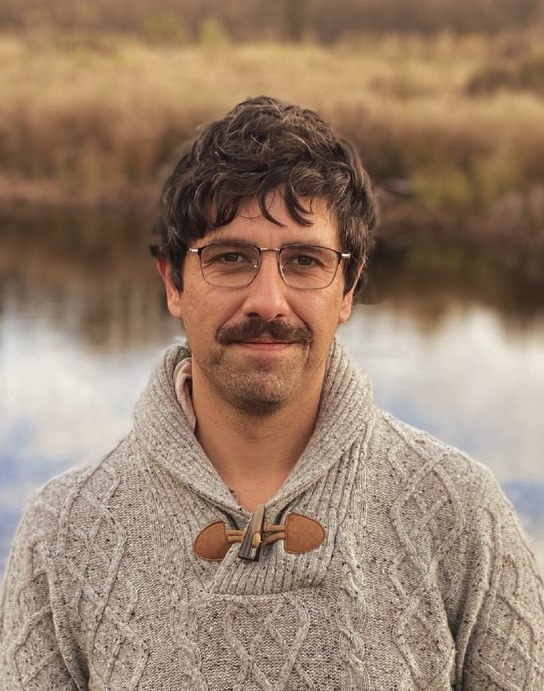
This series changes that. Led by Matt McKenna, a qualified mediator who works with leaders on exactly these moments. You'll learn practical, repeatable tools to lead with confidence and navigate these high-stakes moments.
Each session blends insight with hands-on practice, so you’re ready when it really matters.
Session 1: Getting Tough Feedback Right
Poorly delivered feedback can be derailing and demotivating. It’s crucial to give constructive feedback, but leaders often feel they must choose between holding back or pushing too hard.
In this session you’ll learn:
- A model that reveals a hidden dynamic of feedback
- A memorable tool that consistently generates effective feedback
- A four-move sequence to follow feedback that fosters real behaviour change
Session 2: Defusing Interpersonal Drama
A team member comes to you upset and wants to vent about another team member. You’ve been there. It’s a loaded moment you need to handle skillfully.
In this session, you’ll learn:
- How to leverage insights from behavioural science to de-escalate the interaction
- A model that shows what’s really happening, and what choices you have in this moment
- How to support the person in front of you without joining their “side” or amplifying the drama
Session 3: Taming Persistent Tensions
Some issues aren’t problems to solve; they’re tensions to manage. Examples include the tension between work AND home, structure AND flexibility, today AND tomorrow. Your team needs both sides of a key tension to thrive and advance your shared mission.
In this session, you’ll learn:
- How to recognize and name the tension at play
- A tool that identifies how effectively your team is managing that tension- How to lead passionate people through polarization with care
Who It’s For
This series is designed for individuals with experience leading people or projects who want practical tools and skills for managing conflict and tension effectively. This series is not for leaders with extensive training or background in conflict resolution.

Our Presenter:

Matt McKenna helps people reconnect when it matters most, whether it’s teams in conflict or two leaders who’ve stopped speaking. A Qualified Mediator and seasoned facilitator, Matt’s path began on stage as a touring musician. Today, he brings the same focus on harmony and connection to boardrooms and mission-driven teams. He’s worked with high-purpose organizations of all kinds, from NFPs and B-Corps to faith communities and Ontario’s Provincial COVID-19 Response Team. Matt’s work helps teams rebuild trust, strengthen relationships, and navigate conflict with clarity so they can move forward together.
The DEFNP workshop series will offer tailored programming designed to match ENGOs on their decolonial (un)learning journeys. In Spring 2026 members of the ENGO sector will be able to choose one of three workshop tracks: Introduction to Decolonization in the ENGO Sector, Advanced Decolonial Theory and Application or For Indigenous Ears Only - A Space for Reflection and Action. Each series consists of four three-hour sessions.
Collectively, Decolonizing ENGO-First Nation Partnerships fosters:
Awareness of settler colonialism and the ways it potentially harnesses civil society;
Understanding about how Canadian law such as the Indian Act and the Income Tax Act has suppressed Indigenous governance systems;
Awareness that Indigenous peoples have unique inherent political and legal systems, with which ENGOs may want to form partnerships;
A better understanding about how to navigate partnerships with Indigenous communities that promote decolonial environmentalism;
A stronger sense about how to identify and explain individual and organization social locations (i.e. positionalities) as part of ethical partnership development;
Promoting the resurgence of Indigenous self-determination in the Canadian ENGO sector.
Cost: $100 (Register 2 spots, get the 3rd free)
70 participants max.
All registrants will be provided with a link to access the recordings and presentation slides for 60 days following each session.
Session 1: Settler Colonialism 101
Introduce ENGO representatives to the fact that colonization is a structure and not an event. Identifies key ways that colonialism moves through individuals and organizations.
Session 2: Positionality
ENGO representatives learn how to articulate their social location within a settler colonial state, and in relation to potential Indigenous partners.
Session 3: Inherent Indigenous Governance 101
Introduce the fact that Indigenous nations have their own sources of political authority that they can (and do) draw on when addressing environmental issues. Examples provided.
Session 4: Building Better Relations
ENGO representatives will road test ways they can implement previous workshop key points to re-imagine partnerships with Indigenous nations.
Cost: $100 (Register 2 spots, get the 3rd free)
All registrants will be provided with a link to access the recordings and presentation slides for 60 days following each session.
Session 1: Diagnosing Settler Colonialism in the Enviro Sector
Participants will be asked to share ways in which they have diagnosed and traced power in social justice movements and/or in the ENGO sector. This workshop will make space for discomfort as part of promoting decolonization.
Session 2: Inherent Indigenous Governance
A mix of advanced and introductory theory, this workshop delves into legal and political pluralism, naming the fact that Indigenous nations have their own sources of political authority that they can (and do) draw on when addressing environmental issues.
Session 3: The Nonprofit Industrial Complex
ENGO participants are introduced to theories and examples describing the Nonprofit Industrial Complex and the “Shadow State.” Purpose is to show how settler colonialism structures civil society.
Session 4: Decolonizing ENGO-First Nation Partnerships
This workshop delves deep into how ENGOs can partner with Indigenous nations beyond the Nonprofit Industrial Complex while promoting deference to inherent Indigenous political leaders.

Cost: Free
The Indigenous only space will be collaborative in nature but critical in approach. This track is a space for Indigenous folks within the ENGO sector to come together to discuss their experiences and work, with an eye to taking a position on what the sector might need to do in order to promote decolonization. Participants will use the first session to define our goals for the remaining three meetings. Therefore, session topics named here are proposals only.
Session 1: Naming the Cannibal: Settler Colonialism in the ENGO Sector
Session 2: Proposed topic: Reflections on working in the ENGO Sector
Session 3: Proposed topic: Centering Indigenous Thought in the ENGO Sector
Session 4: Proposed topic: Visioning a Decolonial Environmental Sector
.png)
© 2026 Sustainability Network


