
If you have any inquiries, please contact jeremy@sustainabilitynetwork.ca.
*All recordings are available for 60 days.
Dates: Thursdays, April 2, 9, 16 & 23, 1-4 PM ET
Cost: $100 for the full series (Register 2 spots, get the 3rd free)
Maximum 70 participants (Zoom Meeting)
*All registrants will be provided with a link to the recording and presentation slides following each session. The recording will be available for 60 days.

The DEFNP workshop series will offer tailored programming designed to match ENGOs on their decolonial (un)learning journeys. In Fall 2024, members of the ENGO sector will be able to choose one of three workshop tracks: Introduction to Decolonization in the ENGO Sector, Advanced Decolonial Theory and Application, or For Indigenous Ears Only - A Space for Reflection and Action. Each series consists of four two-hour sessions.
Collectively, Decolonizing ENGO-First Nation Partnerships fosters:
Session 1: Diagnosing Settler Colonialism in the Enviro Sector
Participants will be asked to share ways in which they have diagnosed and traced power in social justice movements and/or in the ENGO sector. This workshop will make space for discomfort as part of promoting decolonization.
Session 2: Inherent Indigenous Governance
A mix of advanced and introductory theory, this workshop delves into legal and political pluralism, naming the fact that Indigenous nations have their own sources of political authority that they can (and do) draw on when addressing environmental issues.
Session 3: The Nonprofit Industrial Complex
ENGO participants are introduced to theories and examples describing the Nonprofit Industrial Complex and the “Shadow State.” Purpose is to show how settler colonialism structures civil society.
Session 4: Decolonizing ENGO-First Nation Partnerships
This workshop delves deep into how ENGOs can partner with Indigenous nations beyond the Nonprofit Industrial Complex while promoting deference to inherent Indigenous political leaders.

Our Presenter
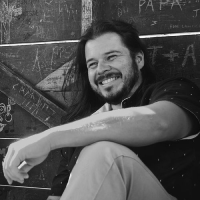
Dr. Les Sabiston (Red River Métis) is from Aswahonanihk (Selkirk), Manitoba. Working at the intersections of political, legal, and medical anthropologies, as well as Indigenous Studies, Les’ work brings together critical social theories of colonialism, race, class, gender and sexuality with the political commitments of decolonization and aspirations of realizing alternative worlds informed by Indigenous futures. A guiding principle to his work has been to develop a more robust understanding of the ongoing process of encounter with Indigenous peoples in Canada, that is, how the state and its people interact with and understand themselves in relation to the original peoples of this land.
© 2026 Sustainability Network


